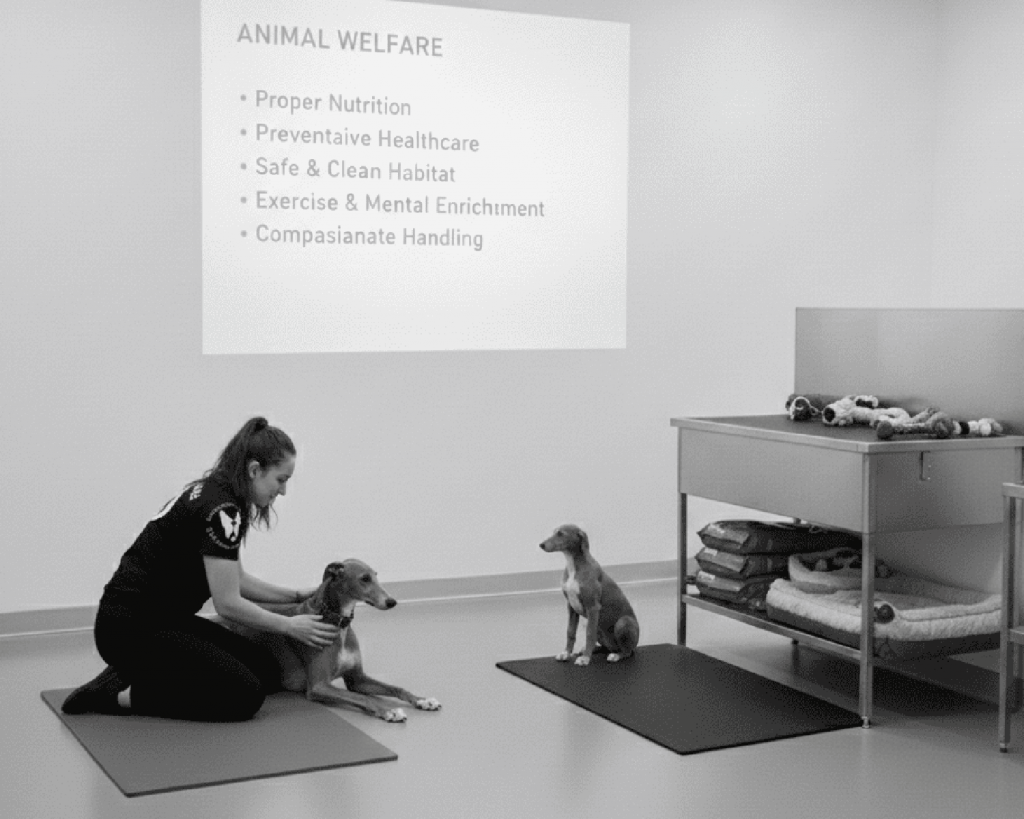
Module 3: Animal Welfare
Animal welfare for dogs is a comprehensive concept that goes beyond simply providing food and shelter. It encompasses their physical health, mental well-being, and the ability to express natural behaviors. Ensuring good welfare means meeting a dog’s fundamental needs and protecting them from suffering.
A dog’s physical well-being is foundational to their overall welfare.
- Nutrition and Hydration: A fundamental need for a dog’s physical well-being is constant access to fresh water and nutritionally balanced food. Proper hydration and a diet tailored to their age, breed, and activity level are crucial for energy, growth, and disease prevention.
Behavioural Health and Socialisation
Mental stimulation and appropriate social development are vital for a dog’s happiness and to prevent behavioural issues.
- Early Socialisation: The primary purpose of early socialisation for puppies is to expose them to various sights, sounds, and experiences to prevent fear and aggression. This critical period helps puppies develop into well-adjusted, confident adult dogs.
- Mental Stimulation: Providing appropriate mental stimulation is important because it helps prevent boredom and destructive behaviours. Dogs are intelligent animals that need to use their brains through puzzles, training, and new experiences to stay content.
- Training Methods: Positive reinforcement using rewards for desired behaviours is the most appropriate training method for promoting positive welfare in dogs. It builds a strong bond between dog and owner based on trust and encourages desired actions without fear or intimidation.
Health and Preventive Care
Proactive health management is essential to prevent and address illnesses, ensuring a long and comfortable life for dogs.
- Vaccinations: Adhering to a veterinarian-recommended vaccination schedule is crucial for preventing the spread of infectious diseases in dogs. Vaccinations protect dogs from common and often deadly illnesses.
- Routine Check-ups: A healthy adult dog should typically receive a veterinary check-up at least once a year for preventive care. These routine visits allow veterinarians to catch potential health issues early, provide necessary vaccinations, and offer advice on nutrition and care.
Safety and Responsible Ownership
Responsible ownership involves protecting dogs from harm, ensuring their comfort, and contributing to broader animal welfare efforts.
- Anxiety and Fear: The most appropriate response to a dog exhibiting signs of severe anxiety or fear (e.g., trembling, hiding, excessive panting) is to consult with a veterinarian or certified professional dog trainer/behaviourist. These professionals can diagnose the cause of the anxiety and develop a humane and effective treatment plan.
- Signs of Neglect: Visible ribs, hip bones, or spine, along with lethargy, are clear signs of potential neglect or abuse in a dog. A healthy dog should have a visible waistline but not protruding bones, and should be active and alert.
- Population Control: The ethical responsibility of a dog owner regarding population control is to spay or neuter their dog unless they are a responsible, registered breeder. This helps reduce the number of unwanted animals in shelters and prevents health issues associated with intact reproductive organs.
- Providing Shelter: The legal and ethical obligation regarding providing shelter for a dog is providing adequate shelter from elements (heat, cold, rain) is essential. Dogs need a safe, comfortable place to rest that protects them from extreme weather conditions.
By understanding and actively implementing these principles, dog owners can significantly contribute to the well-being and happiness of their canine companions, fostering a responsible and compassionate relationship.