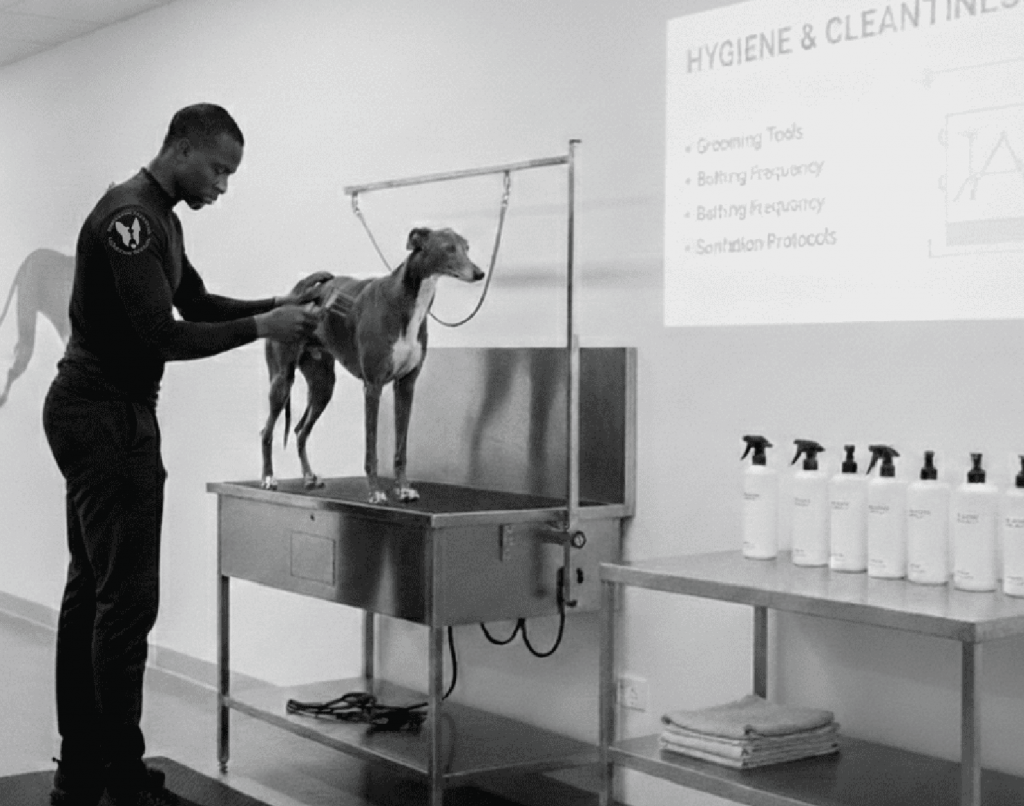
Module 4: Hygiene and Cleanliness
Ensuring a dog’s cleanliness and hygiene is a fundamental aspect of responsible pet ownership. It’s more than just keeping them smelling fresh; it’s a critical component of their overall health, well-being, and comfort. A consistent hygiene routine can prevent common health issues, such as skin infections, dental diseases, and painful matting, and it provides an excellent opportunity for owners to bond with their pets and perform routine health checks.
The Importance of a Hygiene Routine
A regular hygiene schedule allows owners to catch potential problems early, such as lumps, skin irritation, or parasites. It also helps to maintain a healthy coat and skin, preventing a buildup of dirt, oil, and bacteria that can lead to infections. By making grooming a positive experience, you can reduce your dog’s stress and anxiety associated with being handled, making vet visits and future grooming sessions much easier.
Key Areas of Hygiene
Bathing
While dogs don’t need daily baths like humans, regular washing is important. The frequency depends on the dog’s breed, coat type, activity level, and any specific skin conditions.
- Frequency: Generally, a bath every 4-6 weeks is sufficient for most dogs. Over-bathing can strip natural oils from their skin and coat, leading to dryness and irritation.
- Products: Always use a shampoo formulated specifically for dogs. Human shampoos can have a different pH balance and contain ingredients that are harmful to canine skin.
- Technique: Use lukewarm water and avoid getting water in their ears. Thoroughly rinse all the shampoo to prevent skin irritation.
Brushing and Grooming
Regular brushing is the cornerstone of a healthy coat. It removes loose fur, dirt, and debris, while also distributing natural oils that keep the coat shiny and healthy.
- Frequency: Short-haired dogs may only need brushing once a week, while long-haired or double-coated breeds often require daily brushing to prevent matting.
- Tools: Use the right tools for your dog’s coat type. Brushes include bristle brushes, slicker brushes, and undercoat rakes.
- Matting: If mats do form, be gentle. Use a detangling spray and a comb, but if they are severe, a professional groomer may be needed to avoid causing pain to your dog.
Dental Care
Poor dental hygiene in dogs can lead to serious health problems, including gum disease, tooth loss, and even organ damage.
- Brushing: Brushing your dog’s teeth is the most effective method of prevention. Use a dog-specific toothbrush and toothpaste. Never use human toothpaste, as it can be toxic to dogs. Aim for a few times a week, if not daily.
- Alternatives: Dental chews, special dental diets, and toys can help reduce plaque and tartar buildup, but they are not a substitute for brushing.
- Professional Care: Schedule regular dental check-ups with your veterinarian to identify and address any issues.
Ear Cleaning
A dog’s ears are prone to infections due to their shape and the potential for moisture and debris to get trapped.
- Frequency: Check your dog’s ears weekly for any signs of redness, odour, or discharge. Clean them as needed, typically every 2-4 weeks.
- Products: Use an ear cleaner recommended by your veterinarian.
- Technique: Gently apply the cleaner into the ear canal, massage the base of the ear to break up debris, and then use a cotton ball to wipe away the excess. Never use cotton swabs as they can damage the eardrum.
Nail Trimming
Overgrown nails can cause pain, affect a dog’s gait, and lead to more severe health issues.
- Frequency: The frequency depends on the dog’s activity level. A good rule of thumb is to trim them every 2-4 weeks.
- Tools: Use guillotine-style or scissor-style clippers, or a nail grinder.
- Technique: Trim a small amount at a time to avoid cutting into the quick (the vein inside the nail), which is painful and causes bleeding. Have styptic powder on hand in case of an accident.
Paw Care
A dog’s paws endure a lot, from hot pavement to ice and salt.
- Cleaning: After walks, especially in muddy or snowy conditions, wipe your dog’s paws to remove dirt and harmful chemicals.
- Moisture: Use a paw balm to moisturise and protect their pads from cracking.
- Inspection: Regularly check for cuts, foreign objects, or other injuries.